
The Fine Print That Costs More Than a Bad Salary Number


Say a candidate gets a written offer on a Tuesday and signs it that same afternoon, before reading past the CTC number printed in bold at the top of page one. Two months in, the joining bonus clause turns out to need two years of service, not one, and the notice period buyout gets calculated on gross pay, not the smaller number they’d budgeted for. None of that is hidden text. It’s on page three, in the same font size as everything else. This job offer checklist covers the parts of an offer that don’t show up in the headline number, in the order they can hurt you if you skip them.
Eight things, roughly in order of damage: the written comp breakup, the conditions on variable pay, the joining bonus clawback, notice period and buyout math, non-compete and garden leave, background verification, location and WFH terms, and the start date. Work through them once, in that order, before you sign.
Job Offer Checklist, Part One: The Money Terms
1. Get the comp breakup in writing, not the CTC headline
CTC is a marketing number. It bundles fixed pay, variable pay, retirals, insurance premiums the company pays on your behalf, and sometimes a notional value for perks nobody asked for. What matters is the fixed monthly number that lands in your account, and that number should be written down in the offer or appointment letter, broken into basic, HRA, special allowance, and employer PF contribution. If a recruiter tells you something on a call that isn’t in the letter, it isn’t part of the offer. Ask for it in writing. Every time.
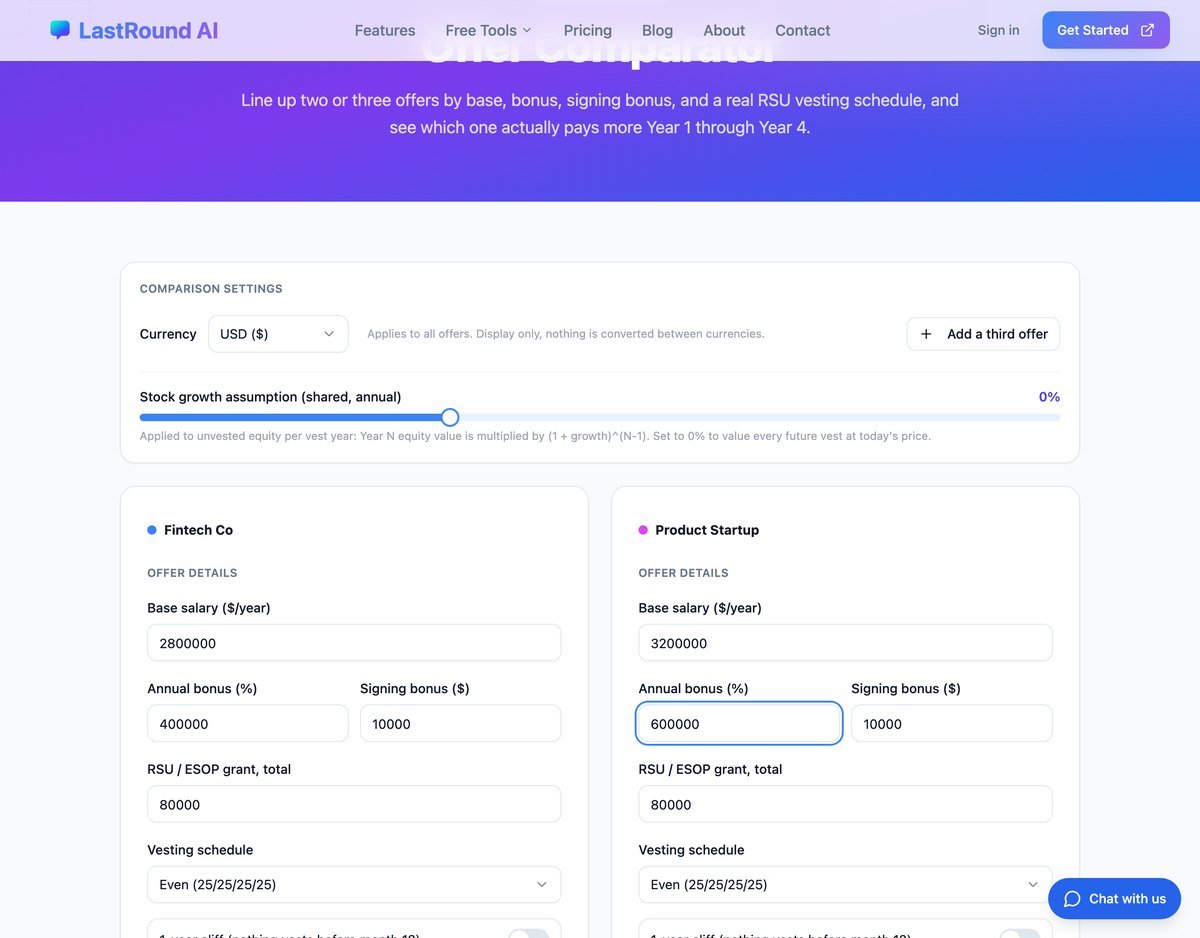
If you’re comparing two offers rather than reading one in isolation, it helps to see the numbers side by side rather than in two separate PDFs. LastRound AI’s offer comparator lines up base, bonus, and RSU value across two letters so the gap between two CTC headlines is visible before you commit to either one.
2. Read the conditions attached to variable pay
Variable pay is usually a formula, not a fixed number: some mix of individual rating and company or business unit performance against target. Ask what percentage of variable pay was actually paid out last year, on average, across the team you’d join. If the recruiter can’t give you a number, that’s itself an answer. Also check whether variable pay is paid monthly, quarterly, or annually, and whether it’s pro rated for a partial year. A written offer that only mentions the maximum variable pay, without the payout formula, is worth less than it looks. Compare RSU vesting terms the same way if equity is part of the package. Our guide to comparing RSU vesting across offers goes into the cliff and vesting-schedule details this checklist doesn’t have room for.
The Joining Bonus, and What Happens If You Leave
3. Find the clawback clause and read it twice
Most joining bonuses over a certain size come with a service condition: stay for a set number of months or repay some or all of it. The clause that actually matters is buried in two questions the offer letter should answer plainly and often doesn’t. First, is the amount to repay the gross bonus or the net amount you actually received after tax was withheld? Second, does resigning and being let go trigger the same repayment obligation, or only one of them?
I checked the Chennai tribunal’s order in S.S.N. Ravi vs ACIT (ITA No. 933/Mds/2015, decided 6 May 2016) on 7 September 2026, and it’s a useful illustration of the gross-versus-net trap: the tribunal held that a sign-on bonus repaid to a previous employer could not be deducted from that year’s taxable salary, which means the tax already withheld on the original bonus doesn’t automatically come back just because you paid the bonus back. If your clawback clause doesn’t specify gross or net, ask before you sign, not after you’ve resigned.
The Exit Terms (Yes, Before You’ve Even Started)
4. Notice period and buyout math
Notice period is usually 30, 60, or 90 days depending on level and company, and the buyout amount (what you’d pay to leave early) is typically calculated as your notice period shortfall multiplied by a daily or monthly rate. Confirm whether that rate uses gross or fixed pay, and whether the company will actually let you buy out the notice period at all for your role, since some do not for anything above 30 days.
If a buyout gets deducted from your full and final settlement rather than paid separately, it’s worth knowing the deduction has a ceiling. I checked Section 7(3) of the Payment of Wages Act, 1936 on 7 September 2026: total deductions in a wage period are capped at fifty percent of wages, or seventy five percent if part of the deduction is for a cooperative society payment. Our notice period buyout calculator walks through the exact math for your notice period and daily rate.
5. Non-compete and garden leave: what India actually enforces
I checked Section 27 of the Indian Contract Act, 1872 on 7 September 2026: it voids, to that extent, any agreement that restrains someone from exercising a lawful profession, trade, or business, with a narrow exception for a person who sells the goodwill of a business agreeing not to compete with the buyer within reasonable limits. Indian courts have generally not enforced non-compete clauses that try to restrain you after employment ends, because Section 27 applies to that period; a clause restraining you during employment, including a garden leave period where you’re paid but kept away from the office during your notice, sits on different footing because you’re technically still employed.
I couldn’t find one consistent rule for how far a confidentiality or non-solicit clause can reach after you leave, since enforcement tends to turn on the specific wording and the specific court. If that clause matters to your situation, it’s worth ten minutes of a lawyer’s time rather than mine.
The Paperwork and Logistics
6. Background verification requirements
BGV typically checks education records, employment history and dates, sometimes a criminal record check, and occasionally a credit check for finance-adjacent roles. Ask what happens if a previous employer is slow to respond, since BGV delays can push your start date without anyone officially calling it a delay. Also ask whether the offer is contingent on BGV clearing before or after you resign from your current job. That single sequencing detail decides how much risk you’re carrying during the gap.
7. Location and WFH terms, in writing
“Hybrid” means different things at different companies: two office days a week is not the same commitment as five, and a verbal “mostly remote for now” from a hiring manager is not binding on the company six months later. Get the base location and the minimum in office days written into the letter itself, not implied by the interview conversation.
8. Start date, and what it actually locks in
Your start date interacts with your current employer’s notice period, any bonus vesting date you’re walking away from, and sometimes visa or relocation timelines. Confirm the offer allows some flexibility on the date if your current notice period runs longer than expected, and get that flexibility in writing rather than as a verbal assurance from the recruiter.
The Job Offer Checklist, Worked in Order
Earlier in this piece, notice period and non-compete get treated as two separate checklist items. They’re not fully separate: a garden leave clause often folds both together, paying your full salary during the notice period while enforcing a stay-away obligation that functions like a short non-compete. Read the two clauses next to each other, not in isolation.
Here’s the order that actually protects you: written comp breakup first, because it’s the number everything else is measured against. Variable pay conditions second. Joining bonus clawback third, since it’s the one clause people skip because it feels like good news. Notice period, buyout, and non-compete fourth, together, since they interact. BGV, location, and start date last, because they’re operational rather than financial, but they still belong in writing. I think a joining bonus with a two year clawback is worse than a smaller signing amount with no clawback at all, even though the bigger number is the one that looks better in the offer comparison. If you only do one thing from this job offer checklist, get every number in this list into the appointment letter itself, and compare it against what the recruiter told you on the call. If the two don’t match, ask why before you resign from anything.

Written by
Uma Mahesh Bandaru
Writes about live interviews, sales calls and meetings, and how real-time AI assistance changes each of them.