
The Document That Actually Governs Your Job, and When It Kicks In


An offer letter and an appointment letter get treated as the same piece of paper in most hallway conversations about a new job, and they are not. One is a proposal you can, in a narrow legal sense, still walk away from. The other is closer to the actual employment contract, carrying clauses an offer letter often skips: probation length, the standing orders that apply to your role, the notice period that will govern your exit years later. The real story behind offer letter vs appointment letter isn’t cosmetic. It shows up exactly at the moment between the two, when one side can back out cheaply and the other locks both parties in.
What Actually Separates an Offer Letter From an Appointment Letter
An offer letter is the employer’s proposal: a CTC figure, a role title, a proposed start date, and usually a list of conditions still to be satisfied, background verification chief among them. It’s sent before you’ve resigned from anywhere, often before any paperwork has changed hands at all. An appointment letter arrives later, typically on or near your first day, and it’s the document that actually governs your employment: designation, reporting manager, probation period, leave policy, the notice period and any clause that survives after you leave. Companies with mature HR processes will tell you plainly that the appointment letter, not the offer letter, is what a labour court or an internal HR dispute will reach for first.
A short version: the offer letter gets you to say yes. The appointment letter is what you actually work under, right down to the notice period math worked out in our notice period comparison across TCS, Infosys, Wipro, and Accenture.
What an Intent Letter Is, and Why Some Companies Skip It
Larger employers, especially in campus hiring and big tech, sometimes send a third document ahead of the formal offer: an intent letter, or letter of intent. It’s an early, often informal signal that a decision to hire has been made, sometimes without a finalized CTC breakup, occasionally used so a candidate can start planning a resignation timeline sooner. It usually carries less weight than the offer letter itself, since it tends to lack the specific, capable-of-acceptance terms that make an offer a proposal in the contract-law sense.
Plenty of Indian employers skip it entirely and go straight from a verbal call to a written offer letter. Where it exists, treat it as a strong signal, not a document to plan your resignation around, and hold off on any final decision until the written offer lands, the same way we’d tell you to wait out a lowball offer rather than react to the first number you hear.
Which One Actually Binds You, Legally
I checked Section 5 of the Indian Contract Act, 1872 on indiankanoon.org on 7 September 2026. It says a proposal may be revoked at any time before the communication of its acceptance is complete against the person making it, but not afterwards. Applied to a job offer: before you’ve signed and returned your acceptance, the company can withdraw the offer freely and without giving a reason. Once your signed acceptance has been validly communicated back to them, a concluded agreement exists in principle. The appointment letter that follows doesn’t create that agreement from scratch. It documents and usually expands on the terms both sides already agreed to, and in day to day HR practice it becomes the reference document going forward.
What Happens When a Company Revokes Between the Two
This is where the gap actually bites. Before your acceptance is communicated, revocation is clean under Section 5. After acceptance but before your appointment letter or joining date, the legal picture gets less useful in practice than it sounds. A concluded contract may exist, but I checked Section 14(1)(b) of the Specific Relief Act, 1963 on indiankanoon.org on 7 September 2026: contracts so dependent on the personal qualifications or volition of the parties that a court can’t enforce their material terms cannot be specifically enforced. Employment is a contract of personal service. A court will not order a company to actually employ you. The only realistic remedy is a damages claim for breach, and pursuing one against a job that never started is slow, costly, and rare in practice, even when the legal right to sue technically exists.
What employers actually do, and what you should do instead
What actually happens instead, in most cases I’ve read about rather than any I can cite as verified, is informal: some employers pay a token compensation, a month’s fixed pay or relocation costs already incurred, as goodwill rather than legal obligation. That practice varies enormously by company and seniority, and I couldn’t find one consistent rule for it, so treat any compensation offered here as negotiable rather than owed.
The practical guard against all of this sits earlier than any legal remedy: don’t resign from your current job the moment you get a verbal yes, and don’t resign the moment you sign the offer letter either. Wait until you have a signed appointment letter, or at minimum a written offer with no conditions still marked pending, before you hand in notice anywhere. It’s a small delay against a large downside, since the revocation risk drops sharply once background verification has actually cleared and the company has committed a specific joining date in writing rather than a range.
When the Appointment Letter’s Terms Don’t Match the Offer You Accepted
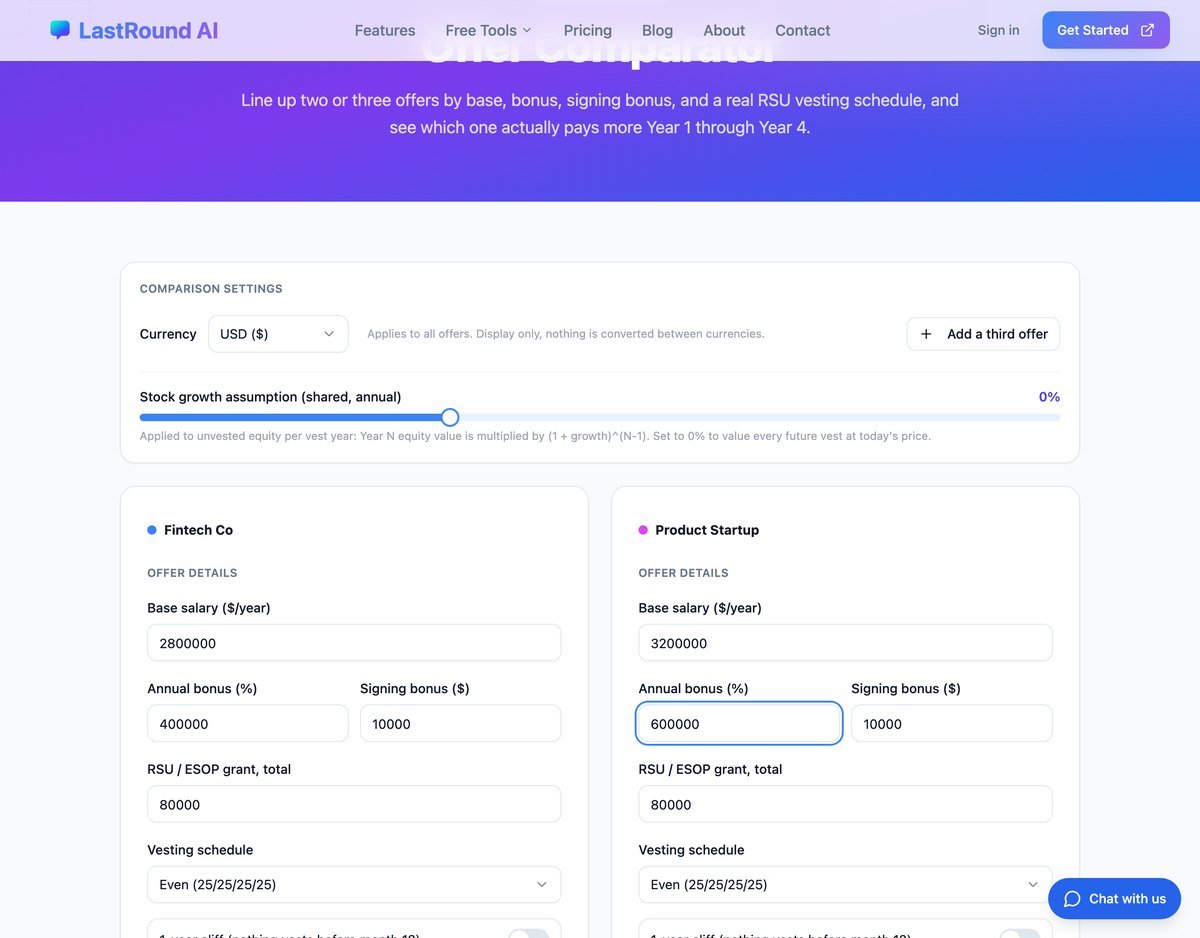
Read the appointment letter line by line against the offer you signed, on the day you receive it, not after you’ve already started working under it. If the notice period, designation, reporting structure, or a comp component has quietly changed, raise it in writing before you sign the appointment letter itself, using the same directness we’d recommend for any counter offer negotiation. In general contract practice, the later, more detailed, and last-signed document is the one that tends to control going forward, which is exactly why silence at this stage is expensive. If you’re weighing whether the new numbers still make sense against another offer you’re holding, LastRound AI’s offer comparator lines up two offers side by side on base, bonus, and RSU, which is a faster way to see a real gap than scanning two PDFs.
I checked the Press Information Bureau’s notification on the four labour codes on 7 September 2026: India’s four labour codes, including the Occupational Safety, Health and Working Conditions Code, 2020, took effect on 21 November 2025, though several state and central rules under the codes were still being finalized at that point. I also checked Section 6(f) of the OSH Code, 2020 on 7 September 2026: issuing a letter of appointment to every employee is a listed statutory duty of the employer under that section, with a three-month window to issue one to anyone who didn’t already have it when the code commenced. What used to be a document some smaller employers skipped is now one they’re legally required to produce, on top of the practical weight it already carried in HR disputes.
Offer Letter vs Appointment Letter, Side by Side
Put the two next to each other and the offer letter vs appointment letter distinction gets easier to hold onto. The offer letter usually arrives first, before you’ve resigned anywhere, and it reads like a pitch: CTC headline, role title, a proposed joining date, and a list of conditions still pending, background verification and reference checks among them. It’s short on purpose. The appointment letter arrives close to your first day and reads like a rulebook: designation, reporting line, probation length, leave entitlement, the notice period that governs your eventual exit, and often a reference to the company’s standing orders or HR policy manual as a whole. One sells you the job. The other runs it.
Why the gap between them exists at all
Employers issue the two separately, rather than one combined document, mostly for sequencing reasons that have nothing to do with legal strategy. Background verification, medical checks, and reference calls take time, and companies would rather commit to a headline offer early to secure a candidate than wait for every check to clear before saying anything at all. The appointment letter, issued once those checks are done and you’ve actually shown up, is where the details that depend on those checks, and on internal HR sign off, finally get locked in. That sequencing gap is exactly where offer letter vs appointment letter confusion causes the most damage, because candidates read the first document as final when it was only ever meant to be provisional.
The Practical Sequence to Expect
Intent letter, if one exists at all: informal, low weight, treat it as a strong signal. Offer letter: a proposal, freely revocable until your acceptance is communicated, then a concluded agreement in principle that courts still won’t force anyone to perform. Appointment letter: the document you’ll actually be governed by, arriving near your first day, and the one worth reading slower than either of the two that came before it. None of this replaces reading your own paperwork. It’s the order in which the paperwork usually shows up, and the point in that order where you have the most room to fix a mismatch: right before you sign the last one.

Written by
Hari Priya Vemula
Covers interview preparation and the candidate experience, from the first screen through to the final round.